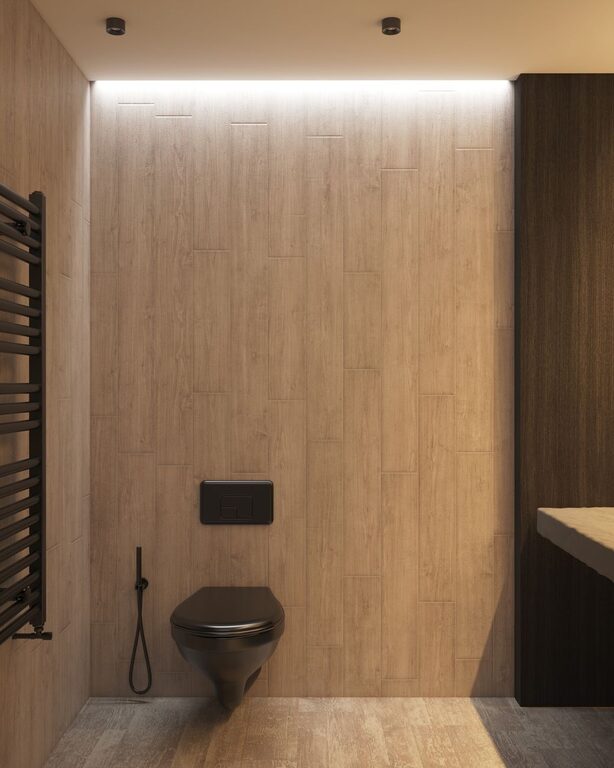
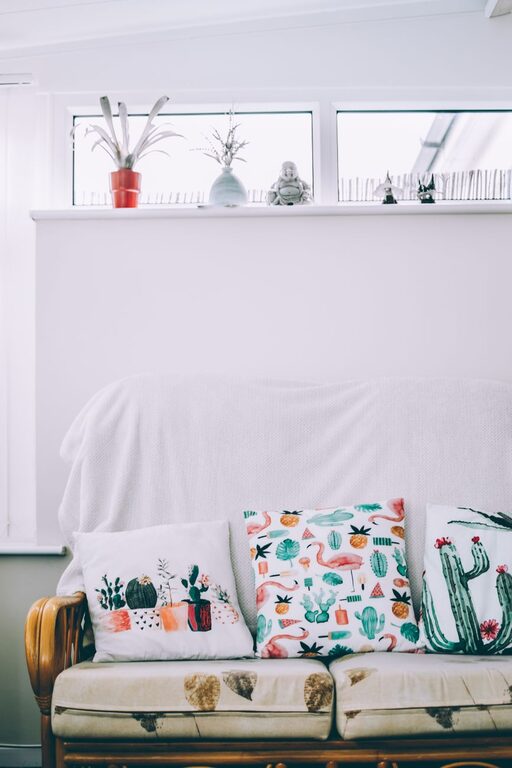
A dark room can feel cramped, gloomy, and less inviting, but you don’t need a major renovation to change that. With some clever ideas and simple adjustments, you can brighten a dark space and transform it into a cheerful, comfortable area. Whether it’s your living room, bedroom, or office, these quick tips will help you maximize light and create a more open, airy environment.
Assess the Natural Light Sources
Before making any changes, take a look at the natural light coming into the room. Notice where windows are located and how much sunlight actually enters throughout the day. Sometimes, even small windows or partially blocked windows can be optimized.
– Keep windows clean: Dirt and grime reduce light transmission.
– Remove heavy curtains or blinds: Consider sheer curtains or light-filtering shades to let more light in.
– Trim outdoor plants: Overgrown bushes or trees can block sunlight from entering your windows.
Use Light Colors on Walls and Ceilings
One of the easiest ways to brighten a dark room is by using light colors for the walls and ceiling. Lighter hues reflect more light, making the space feel bigger and more open.
– Paint walls in soft tones: Whites, pastels, and light neutrals work best.
– Consider semi-gloss or satin finishes: These finishes reflect light better than matte paint.
– Don’t forget the ceiling: Painting the ceiling bright white or a lighter shade than the walls helps reflect overhead light.
Add Reflective Surfaces and Mirrors
Mirrors and reflective décor amplify available light by bouncing it around the room.
– Hang a large mirror: Place it opposite or near a window to reflect natural light.
– Use mirrored furniture or accents: Coffee tables, picture frames, or lamps with shiny finishes add brightness.
– Choose glass or metallic accessories: These surfaces catch and reflect light, enhancing the feel of brightness.
Upgrade Your Lighting Fixtures
Proper lighting is key to combating darkness. Layering different types of lighting can dramatically improve the overall brightness.
Types of Lighting to Consider:
– Ambient lighting: General overhead lights such as flush mounts or chandeliers.
– Task lighting: Desk lamps, reading lights, or under-cabinet lighting for focused illumination.
– Accent lighting: Spotlights or wall sconces to highlight art or architectural features.
Tips for Lighting:
– Use LED bulbs with a daylight or cool white color temperature.
– Avoid dim or yellow bulbs that make the room feel darker.
– Place lamps in corners to eliminate shadows.
Choose Light and Airy Window Treatments
Curtains and blinds play a big role in how much light enters a room.
– Opt for sheer or semi-transparent curtains.
– Use blinds that can be adjusted to allow maximum daylight.
– Avoid heavy drapes that absorb light and darken the room.
Embrace Minimalism and Declutter
A cluttered space can feel darker and more cramped. Keeping the room simple and tidy helps light spread more evenly.
– Remove unnecessary furniture or décor.
– Choose furniture with open legs or lighter materials to maintain an airy feel.
– Keep surfaces clear to allow light to reflect freely.
Incorporate Bright and Light-Colored Furniture and Fabrics
Furniture and textiles contribute to the room’s overall brightness.
– Choose sofas, chairs, and rugs in light colors or neutral tones.
– Add bright throw pillows or cushions with cheerful patterns.
– Avoid dark, heavy fabrics that absorb light.
Add Plants to Bring Life and Color
Plants not only add color but can brighten up any dark room by reflecting natural light off their leaves.
– Choose plants that thrive in low light like snake plants or pothos.
– Place them near windows or well-lit corners.
– Use light-colored pots to enhance overall brightness.
Consider Flooring Options
Dark floors can make a room feel smaller and darker. If you’re open to changing flooring or adding rugs:
– Use light-colored or natural wood flooring.
– Place light-hued area rugs to brighten the space and add texture.
– Reflective or gloss finishes on floors also help bounce light.
Use Artwork and Decorative Pieces Wisely
Bright artwork can add visual interest and light to dark spaces.
– Select paintings or prints with bright colors and light backgrounds.
– Use frames in metallic or light finishes.
– Avoid dark, heavy artwork that pulls focus away from brightness.
Final Thoughts
Brightening a dark room doesn’t have to be difficult or expensive. With thoughtful changes like light paint colors, reflective surfaces, layered lighting, and minimal clutter, you can create a more cheerful, open atmosphere. Start small by assessing your light sources and gradually implement these ideas for a transformed space you’ll love spending time in.
About the Author