Creating a comfortable home environment involves many factors, and lighting plays a crucial role among them. The right lighting can transform a room, making it cozy, welcoming, and functional. Whether you’re redesigning your space or simply looking to upgrade your lighting setup, choosing comfortable home lighting requires thoughtful consideration. In this post, we’ll explore practical tips to help you select lighting that suits your needs, complements your décor, and enhances your overall comfort.
Understanding the Importance of Comfortable Lighting
Lighting impacts mood, productivity, and how well you perform everyday tasks. Harsh or dim lighting can cause eye strain and discomfort, while well-chosen lighting can reduce fatigue and boost relaxation. It’s about finding the right balance between brightness, color, and placement.
Key Factors to Consider When Choosing Home Lighting
1. Know the Purpose of Each Room
Different rooms have different lighting needs. Consider what activities will take place in each area:
– Living rooms benefit from warm, ambient lighting that encourages relaxation.
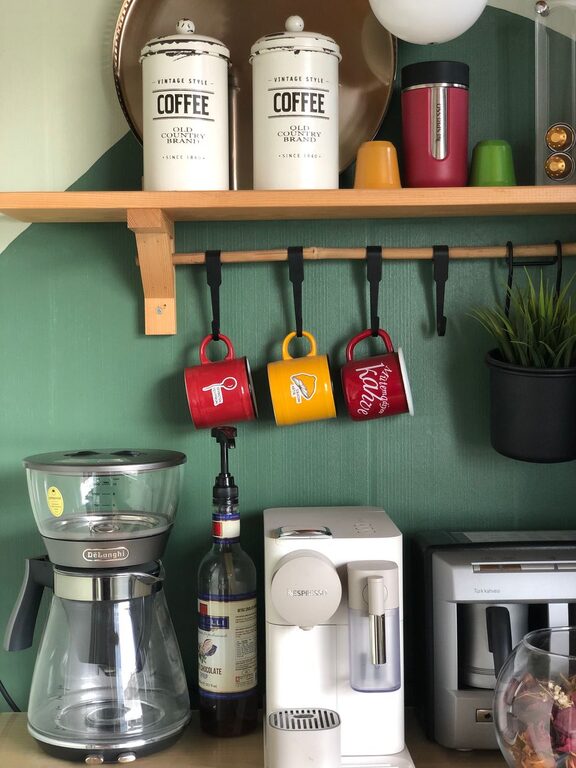
– Kitchens require bright, focused lighting for cooking and food preparation.
– Bedrooms should have soft, soothing lights for winding down.
– Home offices need clear, bright lighting to avoid eye strain.
2. Choose the Right Type of Light Bulbs
Light bulbs come in various types, each with unique qualities:
– LED bulbs: Energy-efficient, last long, and available in a range of colors.
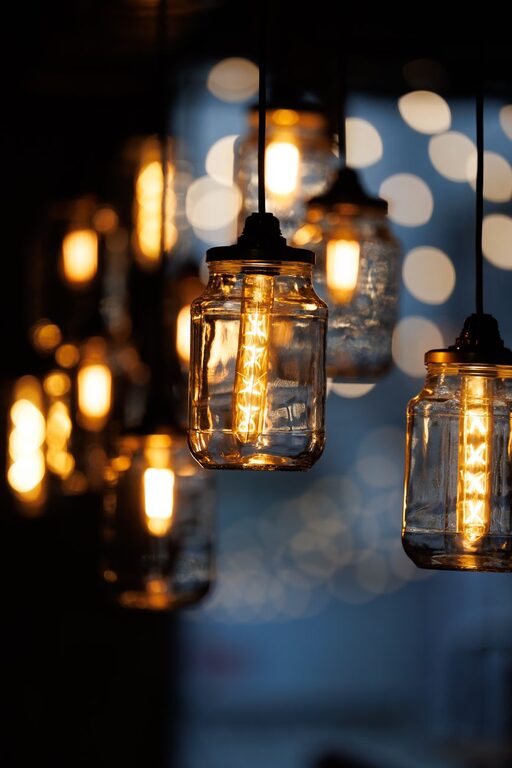
– Incandescent bulbs: Provide warm light but consume more energy and have a shorter lifespan.
– CFL bulbs: Energy-saving but may take time to reach full brightness.
Focus on bulbs that offer adjustable brightness or “dimmable” features, which provide greater control over lighting comfort.
3. Pay Attention to Color Temperature
Color temperature is measured in Kelvins (K) and affects the ambiance.
– Warm white (2700K – 3000K): Creates a cozy, relaxing atmosphere, ideal for bedrooms and living rooms.
– Neutral white (3500K – 4100K): Balanced tone great for kitchens and bathrooms.
– Cool white (5000K – 6500K): Bright and energizing, suitable for workspaces and reading areas.
Choosing the right color temperature helps your lighting feel natural and pleasant.
4. Layer Your Lighting
Combining different types of lighting can enhance comfort and flexibility:
– Ambient lighting: The main source of light, such as ceiling fixtures or chandeliers.
– Task lighting: Focused light to help you perform specific activities, like desk lamps or under-cabinet lights.
– Accent lighting: Highlights features or adds mood, such as wall sconces or LED strips.
Layering allows you to adjust lighting depending on your activity and mood.
5. Use Dimmers and Smart Controls
Installing dimmer switches or smart lighting systems lets you control brightness and sometimes even color temperature. This adaptability helps reduce eye strain and sets the right mood. Smart bulbs can also be controlled remotely via apps or voice commands, adding convenience.
6. Consider Lighting Placement and Fixtures
Where you place your lights affects how comfortable they feel:
– Avoid placing bright lights directly in your line of sight to prevent glare.
– Use lampshades or diffusers to soften harsh light.
– Position task lights close to work areas.
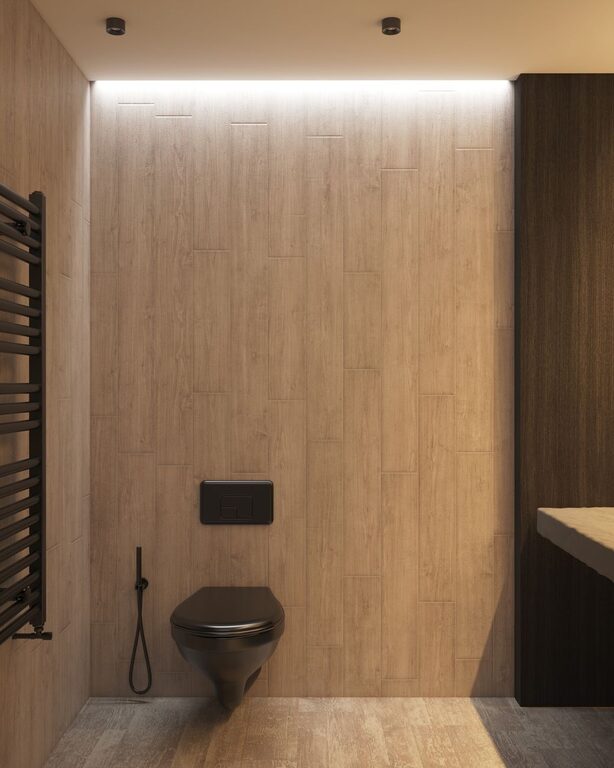
– Use indirect lighting (lights aimed at walls or ceiling) to create a gentle glow.
Choose fixtures that complement your decor while improving light distribution.
Additional Tips for Comfortable Home Lighting
– Opt for adjustable lamps that can be directed where needed.
– Pay attention to natural light and complement it with artificial lighting at night.
– Consider the size of your room; larger rooms may need multiple lighting sources.
– Select lighting that is easy to clean and maintain, as dust can reduce brightness.
– Match lighting style to your home’s interior design for a cohesive look.
Energy Efficiency and Comfort
Aside from comfort, energy efficiency is important. LEDs are a popular choice because they use less electricity and generate less heat, which helps keep rooms comfortable. Also, choosing bulbs with the ENERGY STAR label ensures you get a quality product that saves energy.
Final Thoughts
Choosing comfortable home lighting is not just about brightness but about how light affects your home’s atmosphere and your well-being. By considering the purpose of each room, selecting appropriate bulbs, layering your lighting, and adding controls like dimmers, you can create a space that feels welcoming and easy on the eyes. Take the time to experiment and adjust your lighting setup—comfort and style go hand in hand when it comes to lighting your home.
About the Author